Santiago de Cuba
The vibrant heart of the east - Cuba's second city and cradle of its music and revolution, a hot, hilly and passionate place of Afro-Caribbean culture, a great carnival and a UNESCO clifftop fortress.
Saved in this browser only - no account, nothing sent anywhere. See your map
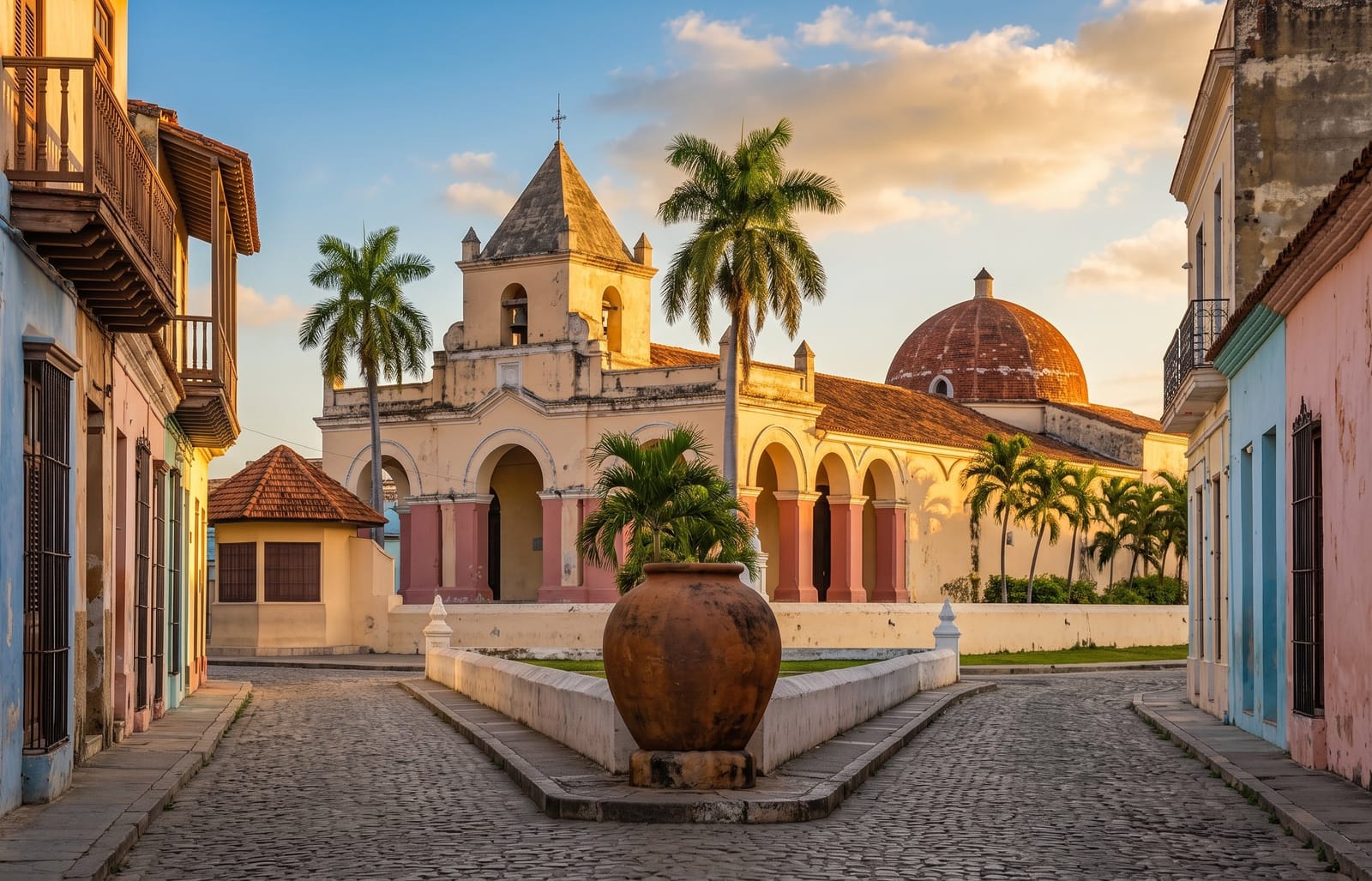
Santiago de Cuba, the island's second city in the hot, mountainous far east, is the vibrant, passionate heart of Afro-Cuban culture and a cradle of both the country's music and its revolution. A hilly, atmospheric city with a strong Caribbean flavour and deep African roots, it is the home of son and trova music, famous for its exuberant July carnival, and set on a bay guarded by the UNESCO-listed clifftop Castillo del Morro fortress.
What you actually see
- The Castillo del Morro - the UNESCO clifftop fortress over the bay.
- The Afro-Cuban culture - the music, dance and heritage.
- Parque Cespedes - the lively central square and cathedral.
- The July carnival - the famous, exuberant street carnival.
When to go
November to April, the dry season, for bearable weather, as the east is hotter and more humid than Havana; the famous carnival, however, falls in the heat of late July and is the city's most exuberant time.
Honest expectations
It is hot, hilly and, being far from Havana in the east, reached by a long journey or a flight, so it is often skipped by short trips. It is grittier and less polished than the western cities, with the usual Cuban challenges of shortages and hustlers, but its music, culture and Caribbean passion are intense and genuine. The carnival is a spectacle worth timing a visit around.
Nearby
The Sierra Maestra mountains, the Baconao park and the beaches of the east are nearby.
What to pack for Santiago de Cuba
Chosen from what this place is for. Tap a kit for the full checklist.
Opening times, ticket prices and seasonal closures change - check the official source before you go: official site.